










Emotional unavailability isn't a single pattern, it's three distinct attachment styles (Dismissive Avoidant, Fearful Avoidant, and Anxious Preoccupied), each driven by specific core wounds formed in childhood. Through my Integrated Attachment Theory™, I've proven these patterns are changeable at the neurological level in as little as 90 days through targeted subconscious reprogramming. In this article, you'll discover which type you are, the hidden ways emotionally unavailable people show love, and the exact transformation protocol to rewire your nervous system for authentic connection.
Table of Contents
- What Emotionally Unavailable Means (And What It Doesn't)
- The Three Types of Emotional Unavailability: Which One Are You?
- Dismissive Avoidant: The Self-Sufficient Fortress
- Fearful Avoidant: The Hot-Cold Paradox
- Anxious Preoccupied: The Hidden Protector
- How Emotionally Unavailable People Actually Show Love
- What Really Causes Emotional Unavailability
- The 90-Day Transformation Protocol
- Days 1-30: Awareness and Pattern Recognition
- Days 31-60: Active Neural Rewiring
- Days 61-90: Integration and Stabilization
- If Your Partner Is Emotionally Unavailable: Scripts That Work
- Conclusion
Does the same emotional distance appear in relationship after relationship? Maybe you're building these walls, or watching someone you love hide behind them.
With my experience working with students, I’ve come to realize that being emotionally unavailable isn't a single pattern. It's three distinct attachment styles, Dismissive Avoidant, Fearful Avoidant, and Anxious Preoccupied, each driven by different core wounds requiring different healing approaches.
Emotional unavailability is often treated as a personality flaw you'll manage forever. Through my Integrated Attachment Theory™, I've proven these patterns are changeable at the neurological level through targeted subconscious reprogramming in 90 days.
You'll discover the specific core wounds creating each pattern, the subtle ways emotionally unavailable people show love, and the exact transformation protocol that rewires your nervous system.
Your childhood survival strategies don't have to imprison your adult relationships.
What Emotionally Unavailable Means (And What It Doesn't)
Emotionally unavailable is an attachment-based pattern of difficulty expressing feelings and maintaining deep emotional intimacy. This manifests as keeping people at arm's length, but the mechanism varies by attachment style.
- If you're Dismissive Avoidant, you build consistent walls.
- If you're Fearful Avoidant, you cycle between closeness and distance.
- If you're Anxious Preoccupied, you protect yourself after repeated hurt.
Let me be direct about what this isn't:
It doesn't mean you "don't feel" or "can't love." Your feelings exist, but protective walls built through childhood trauma now block access to, expression of, and regulation of emotions. That moment when your partner reaches for your hand and your chest tightens, is your nervous system reacting faster than thought.
This also isn't about being introverted or having healthy boundaries. If you're emotionally unavailable, you struggle with emotional intimacy itself, and the vulnerability required for deep connection triggers alarm bells in your nervous system.
Temporary withdrawal from stress or grief differs fundamentally from attachment-based unavailability. Years of emotional distance across multiple relationships? That's avoidant attachment patterning.
Research indicates that approximately 40% of people have insecure attachment, presenting as signs of emotional unavailability. Beneath surface behaviors lie specific core wounds formed before age five.
These wounds fire in milliseconds.
The Three Types of Emotional Unavailability: Which One Are You?
Dismissive Avoidant: The Self-Sufficient Fortress
If you're Dismissive Avoidant, you genuinely believe you're happiest alone, a classic pattern of emotionally unavailable men and women. Your core wounds, "I must be self-sufficient" and "Others are unreliable," drive every relationship decision. This developed when caregivers consistently rejected your emotional needs or praised only independence.
Your nervous system learned that depending on others leads to disappointment.
The pattern shows consistently through these signs of emotional unavailability: delayed text responses, subject changes during vulnerable conversations, physical presence without emotional presence. You minimize relationship importance, leave before things get "too serious," and take pride in not needing anyone.
You aren't cold.
You feel deeply, sometimes more intensely than people realize. You process everything internally because vulnerability once meant danger. Sharing feelings wasn't met with comfort; it was met with rejection. This creates what looks like a fear of commitment, but it's a fear of vulnerability and disappointment.
The walls that protected you from childhood pain now block the connection your nervous system needs. You avoid vulnerability automatically, not through conscious choice. You aren't broken or deficient in your capacity to love. You're protecting yourself with outdated feelings that mistake isolation for safety.
Fearful Avoidant: The Hot-Cold Paradox
If you're Fearful Avoidant, you're living the most exhausting pattern, desperately wanting deep connection while your nervous system screams danger the moment you get close. Your dual core wounds, "I'm defective" and "Love leads to pain," create an impossible bind.
This developed from caregivers who were both comforting and threatening.
Love often came with fear, and your nervous system never learned what safe emotional intimacy feels like. That’s why you might run hot and cold in your relationships.
During the honeymoon phase (typically two to eight weeks), you're all-in, with intense connection, future planning, and genuine vulnerability. Your attachment system temporarily goes offline, replaced by dopamine flooding your brain.
This feels like the love you’ve always wanted. It’s beautiful, connected, and peaceful. Then the proximity alarm triggers.
When intimacy hits a certain threshold, your nervous system sounds an alarm, and you might feel the sudden urge to find flaws or the overwhelming need for space.
The alarm causes you to enter the withdrawal phase. You might pick fights to create emotional distance or go emotionally numb. The distance actually restores your equilibrium, and you start to miss your partner. You feel less fear, and you actually might start to crave connection again, restarting the cycle.
Through my work, I've seen that this isn't conscious manipulation. This is just your nervous system trying to meet two valid needs simultaneously. You need connection (biological wiring) AND self-protection (childhood taught you love is dangerous). This explains why “Am I Emotionally Unavailable?” is such a confusing question for Fearful Avoidants. You're both available and unavailable depending on which phase you're in.
You're navigating the ultimate attachment paradox.
Anxious Preoccupied: The Hidden Protector
If you're Anxious Preoccupied, burnout from over-giving creates your unavailability, a pattern that surprises people asking, “Am I emotionally unavailable?” Your "I'm not enough" core wound drives you to prove worth through constant emotional availability and sacrificing your needs.
This developed from inconsistent caregiving where love felt conditional.
For years, you gave 150% to relationships. Each relationship ended with you wondering what more you could have done.
Then something broke.
After repeated abandonments, your nervous system went into self-protection mode. Now you look emotionally unavailable—distant, guarded, unwilling to invest fully.
But this isn't your core operating system. This is temporary protection after overwhelm.
If you're Anxious Preoccupied, your unavailability emerges after over-giving leads to burnout. You're capable of profound connection, but your nervous system has shut down to recover from trying to earn love you deserved freely. Understanding how to overcome anxious attachment reveals this temporary protective state.
| Discover Your Attachment Style |
|---|
| Not sure which pattern creates your emotional unavailability? Take our free Attachment Style Quiz to identify your unique attachment style and receive personalized insights. |
How Emotionally Unavailable People Actually Show Love
If you're emotionally unavailable, particularly Dismissive or Fearful Avoidant, you have completely different love languages that look nothing like conventional romance. Understanding 15 signs an avoidant loves you transforms how you recognize connection when someone is keeping people at arm's length.
- Consistency within their comfort zone reveals genuine investment. If you're Dismissive Avoidant and you text every two days, that predictable rhythm is you maintaining a connection despite discomfort.
- Actions over words: You fix things without being asked, make coffee the way your partner likes it, and handle logistics. When conventional romance says "I love you," you're saying it by ensuring they have their favorite snack.
- Sharing small pieces of your past signals profound trust. One childhood memory shared carefully is worth a thousand surface conversations. This gradual opening shows reduced fear of commitment and growing safety.
- Letting them see you struggle is vulnerability at its peak if you're Dismissive Avoidant. Your entire system is built on appearing invulnerable.
- Including them in your routine means they've become part of your daily landscape. Routine isn't boring, it's sacred territory.
- Staying present during conflict rather than disappearing shows tremendous growth if you're Fearful Avoidant. Five extra minutes engaged is massive when your entire nervous system screams to flee. This directly counters the pattern of avoiding vulnerability.
The paradigm shift is that if you're Dismissive Avoidant, encouraging your partner's independence equals profound love. When you support their solo trip, you're saying, "I trust you to be whole without me." These are genuine expressions filtered through nervous systems that learned different survival strategies.
What Really Causes Emotional Unavailability
Through my work, I've traced every pattern back to specific childhood experiences that wired your nervous system's relationship blueprint. Between ages zero and five, your brain asked: "Am I safe?" "Will my needs be met?"
Based on caregiver responses, your nervous system developed protective strategies, each creating different core wounds.
"I Must Be Self-Sufficient" and "Others Are Unreliable" (Dismissive Avoidant): Your needs for comfort were consistently rejected. Your child-brain recognized: showing emotional needs leads to pain and self-sufficiency equals safety.
The solution? Shut down emotional expression entirely. This creates the pattern often labeled as emotionally unavailable men or emotionally unavailable women, though it affects all genders equally.
"I'm Defective" and "Love Leads to Pain" (Fearful Avoidant): Your caregivers were simultaneously comfort and threat through childhood trauma.
Your child-brain faced an impossible bind. You desperately needed closeness for survival, but closeness brought pain. This created disorganized strategy: approach and flee simultaneously. This avoidant attachment pattern creates the most confusion around emotional intimacy.
"I'm Not Enough" (Anxious Preoccupied): Your caregiving was inconsistent, with needs met sometimes, unpredictably. Love felt conditional. You learned to amplify distress signals, perform perfectly, and make yourself indispensable.
These wounds aren't conscious thoughts, they're neurological patterns firing in milliseconds. But here's the hopeful truth through my Integrated Attachment Theory™: neuroplasticity research shows the same brain mechanisms that created these patterns can transform them.
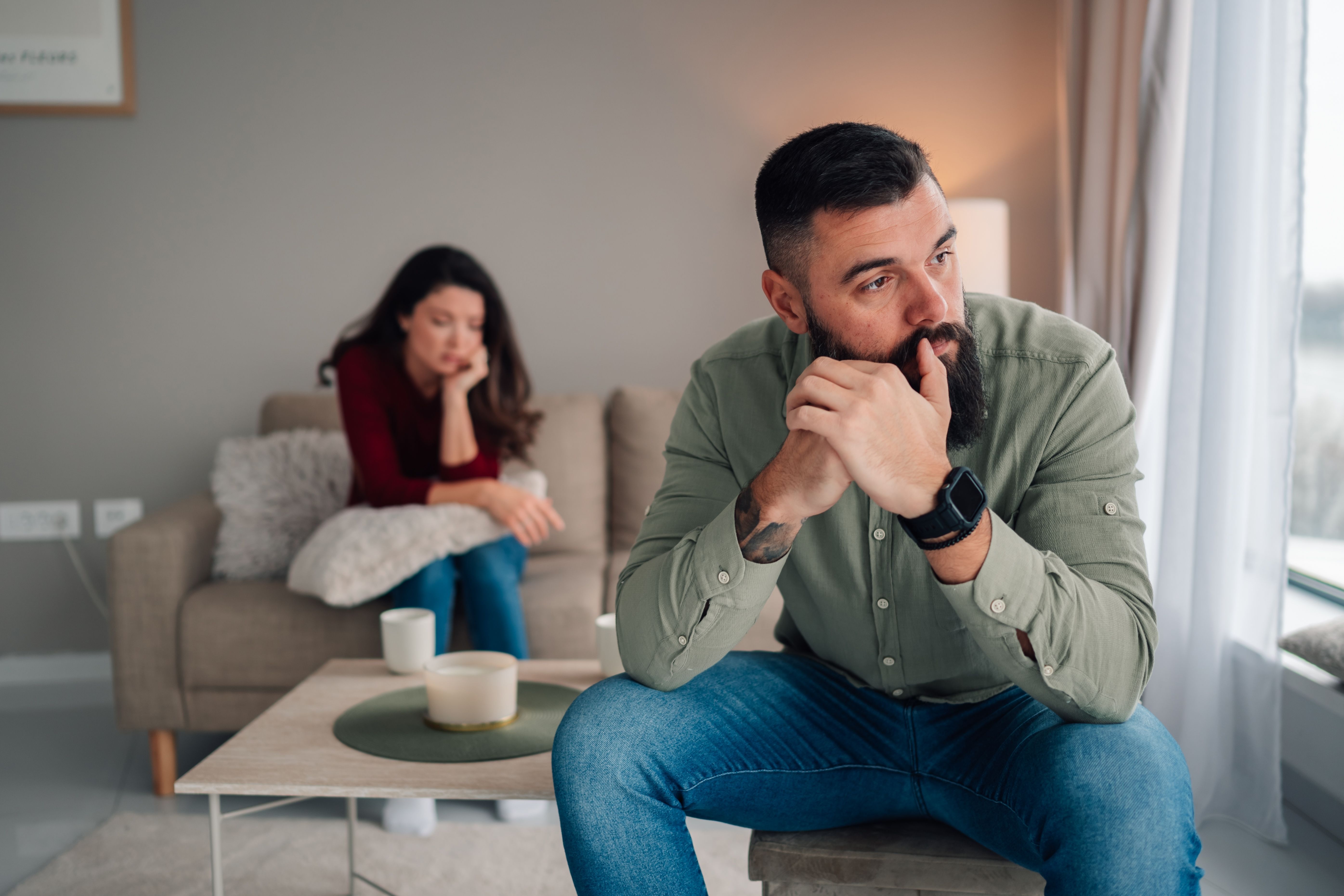
The 90-Day Transformation Protocol for Emotional Unavailability
Here's what I've proven: attachment patterns causing emotional unavailability are changeable through targeted neuroplasticity work in 90 days.
Neuroscience confirms that approximately 66 days of consistent practice can create a new habit; 90 days establishes it as your new default.
Days 1-30: Awareness and Pattern Recognition
Week 1-2: Wound Mapping. Document every trigger. Rate intensity 1-10. Notice body sensations: chest tightening, stomach dropping, jaw clenching. Identify which core wound is firing.
Week 3-4: Pattern Interruption. When triggered, pause: "That's my attachment wound, not current reality." Practice the 5-4-3-2-1 grounding technique. Success marker: Catching triggers 50% of the time.
Attachment-Specific Focus:
- Dismissive Avoidant: Notice urges to change the subject. Stay present one minute longer. Challenge the automatic fear of commitment response.
- Fearful Avoidant: Track your hot-cold pattern. Notice what creates emotional distance.
- Anxious Preoccupied: Notice urges to over-give. Practice saying "no" once weekly.
Days 31-60: Active Neural Rewiring
Week 5-6: Core Wound Dialogue. Daily conversation with your wound: "I see you, I understand why you're here, but you're not needed anymore." Success marker: Wound intensity decreasing 30%.
Week 7-8: New Response Installation. Choose three new responses to practice consistently. Use them even when uncomfortable. Practice difficult to express feelings in safe, low-stakes situations first. Success marker: New responses 40% of the time.
Days 61-90: Integration and Stabilization
Week 9-10: Relationship Testing. Deliberately enter previously triggering situations around emotional intimacy. Use new responses consistently. Success marker: Secure responses 60-70% of the time.
Week 11-13: Future Anchoring and Maintenance. Visualize future challenges with new responses. Create a relationship vision where you're no longer keeping people at arm's length. Commit to a 5-minute daily maintenance practice.
If Your Partner Is Emotionally Unavailable: Scripts That Work
I've developed specific scripts that create safety and communicate in ways that work WITH their attachment system.
Universal Scripts:
When they're withdrawing: "I notice you need space. I'm here when you're ready."
When you need connection: "I love you, AND I need consistent emotional intimacy. Can we find a middle ground that works for both our nervous systems?"
If Your Partner Is Dismissive Avoidant:
"I respect your need to process internally. Let me know when you want to connect again."
"I see you showing care through [making coffee/fixing my car]. That means a lot to me."
This acknowledges their love language when they're avoiding vulnerability through actions instead of words.
If Your Partner Is Fearful Avoidant:
"I can see you're in a withdrawal phase. I'm not going anywhere. I'll be here when you're ready to reconnect."
"Both things can be true: you love me, AND you're scared right now. I get it. We can go slow."
Validating the paradox reduces their internal conflict about emotional intimacy.
If Your Partner Is Anxious Preoccupied:
"I care about you, AND I need you to practice self-soothing before reaching out repeatedly. Can you wait 20 minutes, then reach out once with what you need?"
This provides both validation and structure for someone recovering from over-giving patterns.
When to Stay vs. When to Leave:
- Stay if you see: Pattern acknowledgment, concern about impact, small improvements over 90 days, curiosity about origins.
- Leave if you see: Complete denial ("You're too needy"), zero progress after 90 days of genuine effort, contempt for emotions, or refusing relationship discussions.
Conclusion
Being emotionally unavailable is a learned survival strategy, not a permanent identity. Your core wounds—whether "I must be self-sufficient," "I'm defective," or "I'm not enough"—can heal through consistent, targeted work at the subconscious level.
Take your first step today: identify your attachment style and core wound.
Write them down. Say aloud: "I developed [Dismissive Avoidant/Fearful Avoidant/Anxious Preoccupied] emotional unavailability to survive my childhood. I honor this protection, and I'm ready to transform."
Tomorrow, start the 2-minute wound check. Hand on heart, speak to your wound with recognition and release. This week, track one trigger without changing anything.
Awareness precedes transformation.
Emotional unavailability lives in your subconscious, protective walls built through childhood trauma running automatically. Our Master Your Emotions and Subconscious Mind courses provide the exact neuroplasticity protocols to identify, process, and express emotions you've been suppressing for years. You'll learn to stay present during emotional intimacy without your nervous system screaming danger, transforming unavailability into authentic connection.
Share this Article

Let's stay connected!
Get personal development tips, recommendations, and exciting news every week.
Become a Member
An All-Access Pass gives you even more savings as well as all the relationship and emotional support you need for life.
Top Articles
12 JUN 2025
Attachment Wounds: 6 Types, Their Effects & How to Heal
Struggling with trust or fear of abandonment? Learn the 6 types of attachment wounds, how they affect relationships, and steps you can take to heal.
27 OCT 2023
Best Strategies for Intimacy & Sex with Dismissive Avoidants
Learn about dismissive avoidants, sex and how you can bring your relationship closer together in this extensive guide.
13 JUN 2024
Can Avoidants Fall in Love? Signs Your Avoidant Partner Loves You
Are you dating an avoidant but don’t if they love you? Here are the clear-cut signs that an avoidant loves you.